


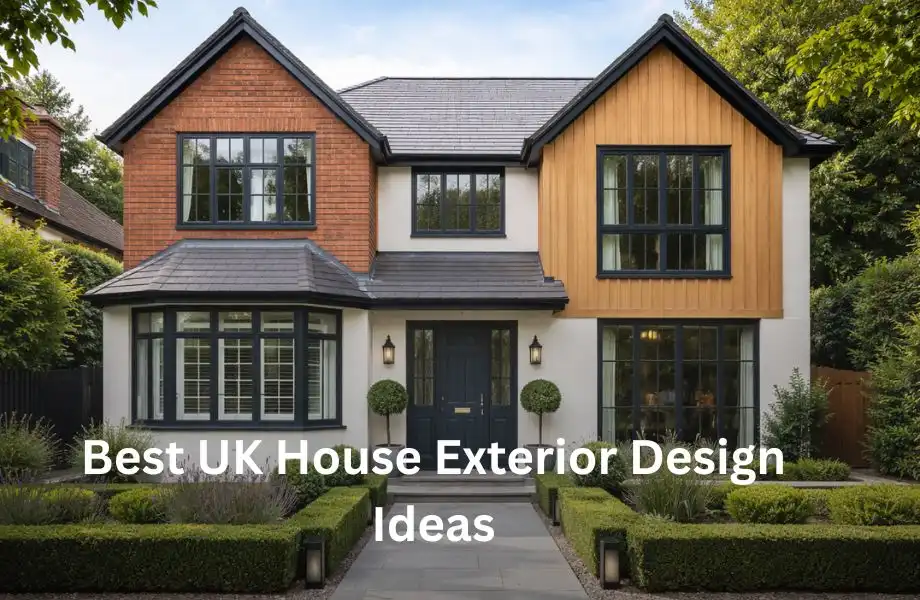
When people think about home design, interiors often receive the most attention. Yet the exterior of a house creates the very first impression. Whether it is a charming Victorian terrace, a modern new build, or a 1930s semi-detached property, the outside appearance of a home says a lot about its character.
Across the UK, homeowners are increasingly investing in house exterior design UK ideas to improve both style and property value. Small upgrades such as repainting a front door or redesigning a garden pathway can transform the entire look of a house. Larger projects like extensions or modern cladding can make older properties feel completely refreshed.
British homes face unique conditions such as frequent rain, limited sunlight, and conservation regulations in certain neighbourhoods. Because of this, exterior design must balance beauty with practicality.
This guide explores practical house exterior design UK ideas that help homeowners improve kerb appeal while ensuring their property remains functional and suited to British architecture.
Understanding the Character of UK Homes
The UK has a diverse mix of architectural styles. From Georgian townhouses to Victorian terraces and modern suburban developments, each property type has its own design identity.
Exterior upgrades work best when they respect the architectural character of the house.
For example, Victorian properties often feature decorative brickwork and bay windows, while 1930s semi-detached homes usually include red brick façades and pitched roofs.
Before planning changes, homeowners should consider how the exterior fits within the surrounding street.
Typical UK housing styles include:
- Victorian terraced houses
- Edwardian townhouses
- 1930s semi-detached homes
- Detached suburban houses
- Modern new-build properties
Understanding these architectural styles helps ensure that house exterior design UK improvements enhance rather than disrupt the neighbourhood’s appearance. For properties with limited space, guides like Small House Design Ideas for UK Homes offer practical inspiration on making compact homes look stylish and well-designed.
Front Door Designs That Transform Kerb Appeal
One of the simplest ways to improve a home’s exterior is by upgrading the front door. Because the entrance is the focal point of the façade, even small changes can create a strong visual impact.
Modern front doors combine style with security and insulation.
Many homeowners choose bold colours that contrast with brick or stone façades. Traditional colours such as navy blue, forest green, or deep red work particularly well with period properties.
Popular front door upgrades include:
- Composite doors with improved insulation
- Decorative glass panels for natural light
- Brass or black hardware for a modern touch
- Stylish porch lighting
Retailers like B&Q and Wickes offer a wide range of front door options suitable for both traditional and modern homes.
These small changes can dramatically improve the overall impression of the property.
Modern Cladding for Contemporary Exteriors
Cladding has become a popular design feature in modern British architecture. It involves covering parts of the exterior walls with materials such as timber, metal, or composite panels.
When used thoughtfully, cladding can transform the appearance of an older house.
Timber cladding is particularly popular because it adds warmth and texture while creating a modern look. Many homeowners use it on rear extensions or upper floors rather than across the entire façade.
Common cladding materials include:
- Natural timber boards
- Composite cladding panels
- Fibre cement boards
- Metal or aluminium panels
Cladding works especially well for extensions where homeowners want to introduce a contemporary contrast to traditional brickwork.
Examples of this design approach can often be found in detached house design ideas UK projects.
Windows That Enhance Exterior Design
Windows play a major role in both the appearance and performance of a house. Well-designed windows improve natural light while contributing to the architectural style of the property.
Older homes often feature traditional sash windows, while modern homes may include larger glazing panels.
Updating windows can significantly improve energy efficiency while enhancing visual appeal.
Popular window improvements include:
- Slim-framed aluminium windows for modern homes
- Restored timber sash windows in period properties
- Larger garden-facing windows
- Corner windows in contemporary extensions
These upgrades also help bring more daylight into the interior.
Homeowners interested in improving natural light often explore how to maximise natural light in UK houses.
Driveways and Pathways That Add Structure
Exterior design is not only about the house itself. The surrounding landscape also plays a crucial role in the overall appearance of the property.
Driveways and garden pathways create structure and guide visitors towards the entrance.
Well-designed pathways can make even small front gardens feel more organised and attractive.
Popular materials for UK driveways and paths include:
- Natural stone paving
- Gravel driveways
- Concrete slabs with modern finishes
- Brick paving that matches the house
Lighting along pathways can also enhance both safety and visual appeal during darker evenings.
These elements help create a welcoming entrance to the property.
Garden Design That Complements the House
Front gardens in the UK are often small, but thoughtful landscaping can significantly improve kerb appeal.
Simple planting arrangements, neat hedges, and tidy lawns create a clean and inviting appearance.
Low-maintenance gardens are particularly popular among busy homeowners.
Effective garden design ideas include:
- Raised planters near the entrance
- Evergreen shrubs for year-round greenery
- Decorative gravel beds
- Symmetrical planting arrangements
These landscaping choices complement the architecture of the home while keeping maintenance manageable.
Many homes featured on Fine Home Decor UK showcase how small garden improvements can transform the entire exterior of a property.
Exterior Lighting for Style and Safety
Lighting is an often overlooked aspect of exterior design, yet it can dramatically enhance the appearance of a home during the evening.
Well-placed outdoor lighting highlights architectural details while improving safety around entrances and pathways.
Modern exterior lighting designs typically use warm LED lights that create a welcoming atmosphere.
Common lighting placements include:
- Wall lights beside the front door
- Pathway lighting along driveways
- Garden spotlights highlighting plants
- Motion-sensor lights for security
These features improve both aesthetics and practicality.
Retailers such as Dunelm and IKEA UK offer a variety of outdoor lighting options suitable for British weather conditions.
Materials That Work Well for UK House Exteriors
Choosing the right materials ensures that the exterior remains durable in the UK’s climate while maintaining visual appeal.
Many British homes rely on a combination of traditional and modern materials.
The table below shows materials commonly used in house exterior design UK projects.
| Material | Advantage | Common Use |
| Brick | Durable and traditional | Exterior walls |
| Timber | Warm and natural | Cladding |
| Stone | Elegant and long-lasting | Pathways, façades |
| Aluminium | Modern appearance | Window frames |
Combining these materials carefully allows homeowners to create exteriors that feel contemporary while still respecting traditional architecture.
Common Mistakes in Exterior Design
While improving a home’s exterior can greatly enhance kerb appeal, certain design choices may have the opposite effect.
One common mistake is introducing materials that clash with the existing architectural style.
Another issue is overcomplicating the design with too many colours or textures.
Other mistakes include:
- Ignoring planning restrictions in conservation areas
- Installing poor-quality exterior lighting
- Choosing landscaping that requires heavy maintenance
- Blocking natural light with oversized plants
A balanced approach ensures that exterior improvements enhance the property without overwhelming its character.
Why Exterior Design Matters for UK Homes
A well-designed exterior does far more than simply make a house look attractive. It influences property value, neighbourhood appeal, and even the way homeowners feel when they return home each day.
Thoughtful house exterior design UK improvements help properties stand out while remaining in harmony with surrounding architecture.
Simple upgrades such as better lighting, fresh landscaping, or modern front doors can make a significant difference. Larger renovations such as extensions or cladding can completely transform older homes.
Ultimately, exterior design is about creating a welcoming and practical environment. When the outside of a house reflects the same care as the interior, the entire property feels more complete and enjoyable to live in.
FAQs
What is the most popular exterior style for UK homes?
Traditional brick façades remain the most popular style in the UK, often combined with modern features such as aluminium windows or timber cladding.
How can I improve my home’s kerb appeal in the UK?
Simple improvements such as repainting the front door, upgrading outdoor lighting, improving garden landscaping, and updating pathways can greatly enhance kerb appeal.
Is cladding suitable for UK homes?
Yes. Timber, composite, and fibre cement cladding are commonly used in modern UK homes, particularly for extensions and contemporary renovations.
Do exterior renovations increase property value?
Yes. Well-designed exterior improvements can significantly increase property value by improving kerb appeal and energy efficiency.
Do I need planning permission for exterior changes?
Some exterior renovations require planning permission, especially in conservation areas or for listed buildings. Always check local council guidelines before starting work.
Author Bio
The Fine Home Decor editorial team shares expert guidance on British architecture, renovation ideas, and home design. Our writers help UK homeowners improve comfort, style, and practicality in both traditional and modern properties.
Disclaimer
This article provides general home design information for UK readers. Building regulations, planning permission requirements, and property conditions may vary by location. If you notice outdated information or have suggestions, please contact Fine Home Decor.