


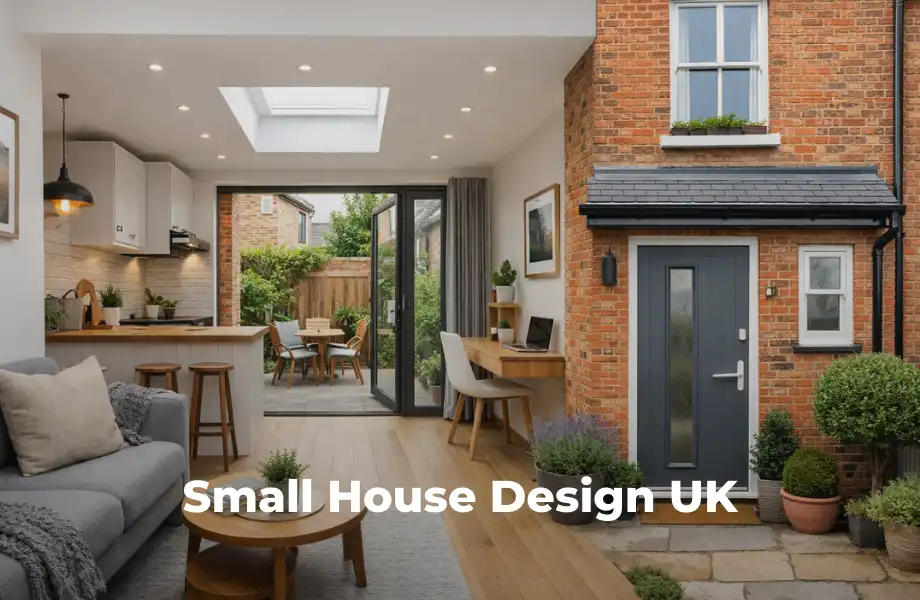
Living in a small British home is more common than many people realise. From compact London flats to narrow terraced houses in older neighbourhoods, space can often feel limited. Many homeowners struggle with rooms that feel cramped, dark hallways, or kitchens that barely fit a dining table.
Yet small homes can be incredibly comfortable when designed thoughtfully. The key lies in smart planning, clever storage, and design choices that make rooms feel open and bright. This is where small house design UK ideas become especially valuable.
Instead of fighting the limitations of a compact home, modern design works with them. By focusing on efficient layouts, natural light, and multi-purpose spaces, even the smallest house can feel welcoming and practical. Many UK homeowners have successfully transformed tight properties into stylish homes that feel far bigger than their actual footprint.
This guide explores practical small house design UK strategies that suit British properties, budgets, and everyday living.
Understanding the Challenges of Small UK Homes
Before planning improvements, it helps to understand why many UK houses feel small in the first place. A large portion of Britain’s housing stock was built decades or even centuries ago, when design priorities were very different.
Victorian terraces, for example, were built with separate rooms rather than open spaces. Kitchens were originally small service areas, while hallways often divide the house into narrow sections.
Typical challenges include limited storage, low natural light, and rooms that cannot easily fit modern furniture.
Common issues homeowners face include:
- Narrow floor plans in terraced houses
- Small kitchens designed for older lifestyles
- Limited wardrobe space in bedrooms
- Dark hallways with little natural light
- Lack of built-in storage
Modern small house design UK solutions focus on solving these problems without losing the charm of traditional British homes.
Open Layouts That Create the Feeling of Space
One of the most effective ways to improve a small home is by reconsidering the internal layout. Many older properties contain unnecessary walls that break the home into tiny rooms.
Opening the layout can dramatically change how spacious a house feels.
A common renovation approach is combining the kitchen and dining room into a single open area. This allows natural light from windows or garden doors to spread through the entire space.
However, full open-plan design is not always necessary. Sometimes partial changes work better.
Homeowners often achieve great results by:
- Removing half walls between rooms
- Installing wide door openings instead of standard doors
- Adding glass internal doors to share light
- Using kitchen islands to separate zones
These changes allow the house to feel larger while still maintaining defined living areas.
Many examples of this approach can be seen in guides like terraced house renovation ideas UK, where layout adjustments transform tight homes.
Smart Storage That Keeps Rooms Clutter-Free
Storage is one of the biggest challenges in compact homes. Without proper storage solutions, even well-designed rooms can quickly feel messy and overcrowded.
Modern small house design focuses heavily on hidden and built-in storage.
Rather than relying on bulky furniture, designers integrate storage directly into the architecture of the home. This keeps rooms visually clean while still providing enough space for everyday belongings.
Effective storage ideas include:
- Built-in wardrobes that reach the ceiling
- Storage benches beneath windows
- Shelving above door frames
- Under-stair cupboards in terraced houses
- Bed bases with hidden drawers
These solutions make use of spaces that would otherwise go unused.
For homeowners looking to improve organisation, articles discussing clever storage ideas for small UK homes offer practical inspiration.
Using Natural Light to Make Rooms Feel Bigger
Light plays a huge role in how spacious a home feels. Many British houses suffer from limited daylight due to cloudy weather and small window openings.
Modern design focuses on increasing natural light wherever possible.
One of the most effective improvements is installing larger windows or glass doors that connect the house to the garden. Even a modest rear extension with roof lights can transform a dark kitchen.
Popular lighting improvements include:
- Skylights above kitchen areas
- Bi-fold or sliding patio doors
- Light-coloured wall finishes
- Mirrors that reflect daylight
- Glass partitions between rooms
Retailers such as B&Q and Wickes offer many skylight and glazing options suitable for renovation projects.
Homes featured on platforms like Fine Home Decor UK often demonstrate how simple lighting changes dramatically improve small British interiors.
Choosing Furniture That Works in Compact Spaces
Furniture selection is crucial when designing small homes. Oversized sofas or heavy cabinets can quickly overwhelm a compact room.
Instead, furniture should support the scale of the space.
Modern design favours slim profiles, raised legs, and multi-functional pieces that reduce clutter while maintaining comfort.
Helpful furniture strategies include:
- Sofas with exposed legs to create visual space
- Nesting coffee tables instead of large single tables
- Extendable dining tables for flexible seating
- Wall-mounted desks for home offices
- Floating shelves instead of bulky bookcases
Retailers such as IKEA UK and Dunelm offer many space-saving furniture options designed specifically for smaller homes.
Choosing furniture carefully ensures that rooms feel balanced rather than overcrowded.
Colour Schemes That Help Small Rooms Feel Open
Colour has a powerful effect on how large or small a room appears. Dark colours can make spaces feel enclosed, while lighter tones reflect natural light and create a sense of openness.
Most small house design UK interiors rely on soft neutral palettes.
Common colour choices include warm white, pale grey, beige, and muted pastel tones. These colours brighten rooms without feeling sterile.
However, this does not mean small homes must be boring. Accent colours can still add personality when used carefully.
A balanced colour approach often includes:
- Light wall colours as a base
- Natural wood textures for warmth
- Dark accents in furniture or lighting
- Plants to add colour and life
This approach keeps rooms visually calm while preventing them from feeling bland.
Exterior Design Ideas for Small UK Houses
While interior design usually receives more attention, the exterior of a small home also influences how it feels.
Even modest improvements can make a property appear more modern and welcoming.
Simple exterior upgrades often include repainting the front door, improving the garden entrance, or updating outdoor lighting. Small front gardens or pathways can also be redesigned to feel more open.
Popular exterior upgrades include:
- Modern front doors with glass panels
- Minimalist garden pathways
- Low-maintenance landscaping
- Contemporary outdoor lighting
Homeowners interested in upgrading their property’s appearance can also explore ideas in house exterior design UK guides.
These improvements help even compact homes feel more attractive and contemporary.
Budget-Friendly Small House Improvements
Many homeowners assume that improving a small home requires expensive renovations. In reality, modest updates can often create the biggest visual difference.
Budget-friendly improvements focus on light, organisation, and simple design upgrades.
Affordable updates include:
- Repainting walls in brighter colours
- Replacing heavy curtains with blinds
- Installing modern light fixtures
- Decluttering and reorganising storage
- Updating cabinet handles and door hardware
These small changes can make a home feel cleaner, brighter, and more modern without major construction work.
Over time, homeowners can gradually introduce larger improvements such as kitchen upgrades or extensions.
Read also : A Type House Design: Simple, Strong, and Stylish Home Guide
Why Small Homes Can Be the Most Comfortable
While larger homes may seem attractive, many people find that smaller houses offer a more practical lifestyle. Cleaning is easier, heating costs are lower, and spaces feel cosy and manageable.
When thoughtful design is applied, compact homes often become extremely comfortable.
The secret of small house design UK lies in efficiency rather than size. Good layout planning, effective lighting, and smart storage can transform even the smallest property into a pleasant place to live.
Rather than focusing on square footage, successful design focuses on how spaces function for everyday life. When every corner is used well, a small British house can feel surprisingly spacious.
FAQs
What is the best layout for a small house in the UK?
Open-plan layouts often work best in small UK homes. Combining kitchen and dining spaces allows natural light to travel further and helps rooms feel larger and more connected.
How can I make a small UK house feel bigger?
Use light colours, increase natural light, add mirrors, and reduce bulky furniture. Built-in storage also helps remove clutter and create a more open environment.
Are extensions useful for small houses in the UK?
Yes. Rear extensions are very popular in terraced and semi-detached homes. They can create larger kitchens, improve natural light, and connect the house to the garden.
What furniture works best in small homes?
Slim furniture with raised legs works well because it creates visual space. Multi-functional furniture such as sofa beds or extendable tables is also very useful.
How do I add storage in a small UK house?
Use vertical space with tall wardrobes, add under-stair storage, install floating shelves, and choose beds or benches with hidden storage compartments.
Author Bio
The Fine Home Decor editorial team shares practical guidance on British architecture, home renovation, and interior design. Our writers help UK homeowners improve comfort, style, and functionality in both modern houses and traditional properties.
Disclaimer
This article provides general home design information for UK readers. Property conditions, regulations, and renovation requirements may vary. If you notice outdated information or have suggestions, please contact Fine Home Decor so we can update the content.